

Neuropathy
Neuropathy in Carrollton, TX
Symptoms of Peripheral Neuropathy
Every nerve in your peripheral system has a specific function, so symptoms depend on the type of nerves affected. Nerves are classified into:
- Sensory nerves that receive sensation, such as temperature, pain, vibration or touch, from the skin
- Motor nerves that control muscle movement
- Autonomic nerves that control functions such as blood pressure, perspiration, heart rate, digestion and bladder function
Signs and symptoms of peripheral neuropathy might include:
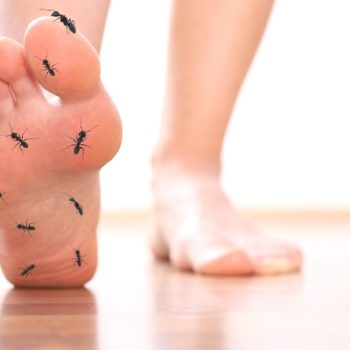
- Gradual onset of numbness, prickling or tingling in your feet or hands, which can spread upward into your legs and arms
- Sharp, jabbing, throbbing, or burning pain
- Extreme sensitivity to touch
- Pain during activities that shouldn’t cause pain, such as pain in your feet when putting weight on them or when they’re under a blanket
- Lack of coordination and falling
- Muscle weakness
- Feeling as if you’re wearing gloves or socks when you’re not
- Paralysis if motor nerves are affected
If autonomic nerves are affected, signs and symptoms might include:
- Heat intolerance
- Excessive sweating or not being able to sweat
- Bowel, bladder, or digestive problems
- Drops in blood pressure, causing dizziness or lightheadedness
Peripheral neuropathy can affect one nerve (mononeuropathy), two or more nerves in different areas (multiple mononeuropathy), or many nerves (polyneuropathy). Carpal tunnel syndrome is an example of mononeuropathy. Most people with peripheral neuropathy have polyneuropathy.
When to See a Doctor
Seek medical care right away if you notice unusual tingling, weakness or pain in your hands or feet. Early diagnosis and treatment offer the best chance for controlling your symptoms and preventing further damage to your peripheral nerves.
Causes of Neuropathy
Peripheral neuropathy is nerve damage caused by a number of different conditions. Health conditions that can cause peripheral neuropathy include:
- Autoimmune diseases.These include Sjogren’s syndrome, lupus, rheumatoid arthritis, Guillain-Barre syndrome, chronic inflammatory demyelinating polyneuropathy and vasculitis.
- This is the most common cause. Among people with diabetes, more than half will develop some type of neuropathy.
- These include certain viral or bacterial infections, including Lyme disease, shingles, Epstein-Barr virus, hepatitis B and C, leprosy, diphtheria, and HIV.
- Inherited disorders.Disorders such as Charcot-Marie-Tooth disease are hereditary types of neuropathy.
- Growths, cancerous (malignant) and noncancerous (benign), can develop on the nerves or press on nerves. Also, polyneuropathy can arise as a result of some cancers related to the body’s immune response. These are a form of a degenerative disorder called paraneoplastic syndrome.
- Bone marrow disorders.These include an abnormal protein in the blood (monoclonal gammopathies), a form of bone cancer (myeloma), lymphoma and the rare disease amyloidosis.
- Other diseases.These include kidney disease, liver disease, connective tissue disorders and an underactive thyroid (hypothyroidism).
Other causes of neuropathies include:
- Poor dietary choices made by people with alcoholism can lead to vitamin deficiencies.
- Exposure to poisons.Toxic substances include industrial chemicals and heavy metals such as lead and mercury.
- Certain medications, especially those used to treat cancer (chemotherapy), can cause peripheral neuropathy.
- Injury or pressure on the nerve.Injuries, such as from motor vehicle accidents, falls or sports injuries, can sever or damage peripheral nerves. Nerve pressure can result from having a cast or using crutches or repeating a motion such as typing many times.
- Vitamin deficiencies.B vitamins — including B-1, B-6 and B-12 — vitamin E and niacin are crucial to nerve health.
In some cases, no cause can be identified (idiopathic).
Here at Trinity Integrated Medical, we are Board Certified in Peripheral Neuropathy and Chronic Pain by the American College of Physical Medicine. We have solutions that avoid long term medications (such as Gabapentin) and have a direct effect on the peripheral nerves themselves. Our approach is to help you decrease the body’s inflammation and regenerate the nerves while utilizing the latest, state-of-the-art treatment methods that will help you get your life back. Our goal is to minimize your numbness and tingling, eliminate your falls, and help you function like you used to! Call (972) 478-5538 or click here to schedule a consultation.
FAQ
Q: What are the most common symptoms of peripheral neuropathy?
Peripheral neuropathy often begins with gradual numbness, tingling, or prickling in the hands and feet. Many people also experience burning, sharp, or throbbing pain, increased sensitivity to touch, and muscle weakness. As the condition progresses, symptoms can spread into the arms and legs and may affect coordination and balance.
Q: Why do the symptoms of peripheral neuropathy vary so much?
Symptoms vary because different types of nerves are affected.
- Sensory nerves impact feeling (pain, temperature, touch)
- Motor nerves affect muscle movement and strength
- Autonomic nerves control functions like digestion, heart rate, and blood pressure
Depending on which nerves are damaged, symptoms can range from pain and numbness to digestive issues or dizziness.
Q: What causes peripheral neuropathy?
Peripheral neuropathy can be caused by many conditions, including:
- Diabetes (most common cause)
- Autoimmune diseases like lupus or rheumatoid arthritis
- Infections such as Lyme disease or shingles
- Vitamin deficiencies (especially B vitamins)
- Exposure to toxins or certain medications (like chemotherapy)
- Nerve injuries or repetitive stress
In some cases, no clear cause is identified.
Q: When should I see a doctor for peripheral neuropathy symptoms?
You should seek medical care as soon as you notice unusual tingling, numbness, pain, or weakness in your hands or feet. Early diagnosis and treatment can help prevent further nerve damage, reduce symptoms, and improve overall function.
Q: Can peripheral neuropathy be treated without medication?
Yes. At Trinity Integrated Medical, treatment focuses on reducing inflammation and promoting nerve regeneration using advanced, non-invasive therapies. The goal is to reduce numbness and tingling, improve balance, and restore normal function—often without relying on long-term medications.
BOOK YOUR APPOINTMENT WITH OUR INTEGRATED MEDICAL PRACTICE

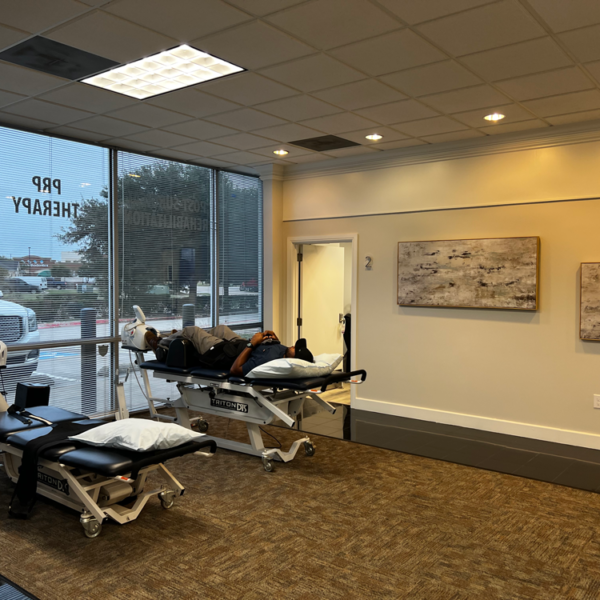
Our philosophy for treatment is simple. We treat our patients just like they are family! We encourage them to live a more healthy lifestyle with an emphasis on movement. We believe that motion is the key to life. When you’ve lost your motion, you’re not really living. We address not only your aches and pains with our treatments, but your overall function is our concern as well. We strive to treat everyone the way we would want to be treated.
Our mission is to raise up a healthy community without the use of needless drugs and surgeries, educating them in the proper care of the human frame and its role in the prevention of disease.